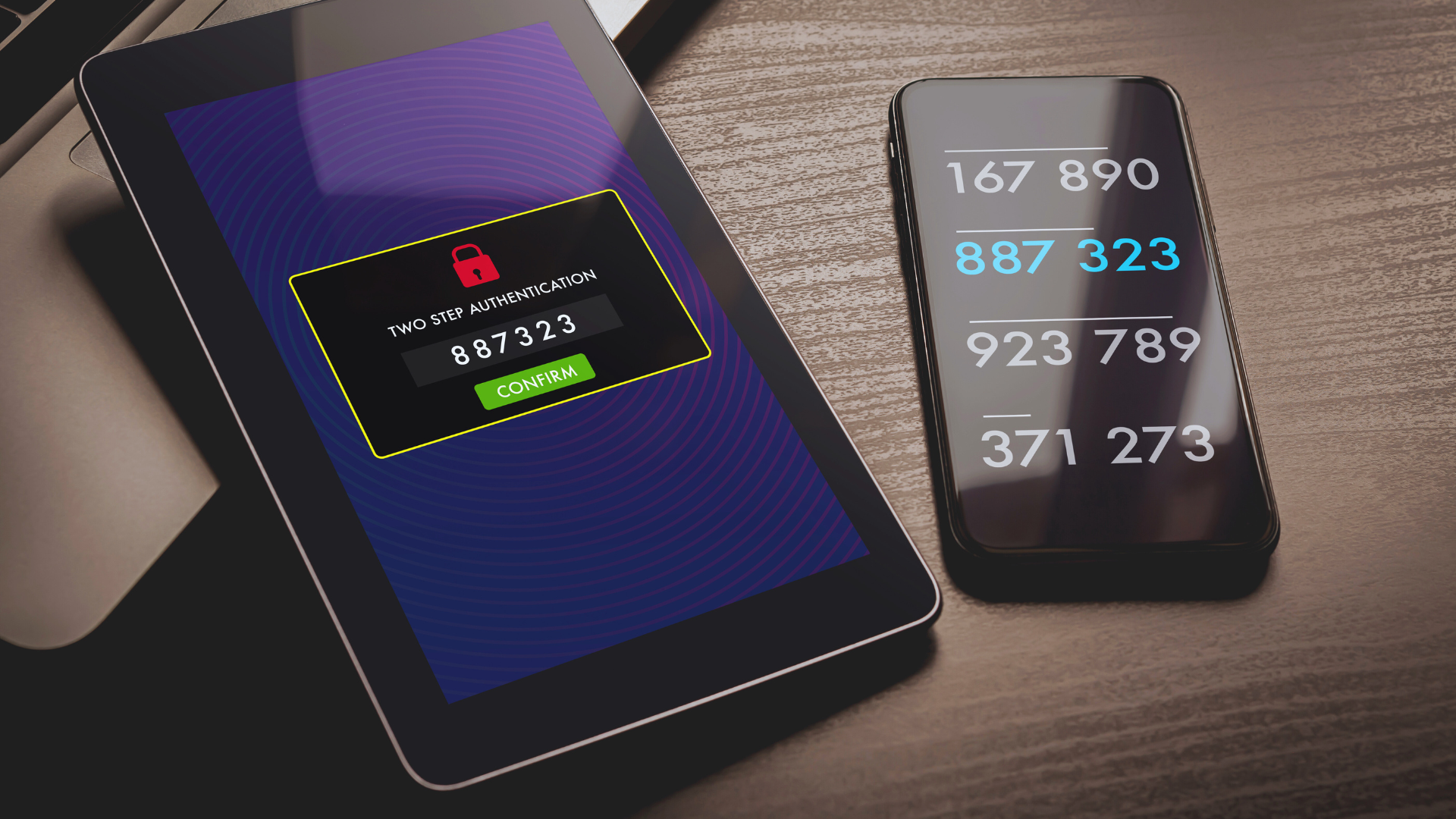
In today’s digital landscape, online accounts are increasingly vulnerable to cyber threats. Two-factor authentication (2FA) provides an essential extra layer of protection that significantly enhances the security of these accounts. By requiring an additional verification step beyond just a password, 2FA helps safeguard personal information from unauthorised access.
As cybercriminals employ more sophisticated tactics, relying solely on traditional passwords is insufficient. Implementing effective security measures, such as two-factor authentication, can dramatically reduce the risk of account breaches. This proactive approach not only enhances user confidence but also protects sensitive data from being compromised.
Many individuals and businesses are beginning to recognise the importance of adopting two-factor authentication as a standard practice. With various methods available, including SMS codes and authentication apps, implementing 2FA is both accessible and practical for bolstering cybersecurity. Taking this step can prove invaluable in maintaining the integrity and security of online accounts.
The Importance of Two-Factor Authentication
Two-factor authentication (2FA) is a critical security measure that adds an extra layer of protection to online accounts. It effectively mitigates cyber threats, preventing unauthorised access and identity theft while safeguarding sensitive personal information.
Mitigating Cyber Threats
Cyber threats are increasingly sophisticated, making traditional passwords insufficient for security. Two-factor authentication adds an additional step to login processes, requiring a second verification method beyond just a password.
This could involve a text message, an authenticator app, or biometric verification. By implementing 2FA, organisations and individuals can significantly reduce the likelihood of unauthorised access, as attackers often struggle to bypass both layers of security.
Moreover, the need for stronger verification is evident in everyday digital activities. For example, many online platforms now use SMS verification during shopping or subscription management to confirm identity and prevent fraud. However, this practice requires users to share their personal phone numbers with multiple services, potentially increasing exposure.
To mitigate these risks, many often choose to rent a virtual number, which allows users to complete verification steps without revealing their primary contact details. Consequently, this approach helps protect privacy while maintaining strong security.
Preventing Unauthorised Access and Identity Theft
Identity theft continues to be a significant issue, with personal information often targeted by cybercriminals. Two-factor authentication serves as a powerful deterrent against unauthorised access.
Even if a password is compromised, the presence of 2FA means that the criminal would still require the second factor to gain entry. This added complexity in the login process greatly reduces the chances of identity theft, providing users with enhanced security for their accounts.
Protecting Sensitive Personal Information
Sensitive data, including financial details, personal identification, and private communications, needs robust protection. Two-factor authentication helps safeguard this information by ensuring that only verified users can access it.
This is especially crucial for services that store or manage sensitive data. By requiring a second form of verification, users can maintain greater control over their personal information and mitigate the risk of data breaches.
Understanding the Different Types of 2FA
Two-factor authentication (2FA) enhances security by adding an extra layer of protection. Various methods exist, each with unique strengths and weaknesses that users should recognise.
SMS-Based 2FA and Its Vulnerabilities
SMS-based 2FA sends a one-time code via text message to the user’s mobile phone. This method is convenient and does not require additional apps. However, it is susceptible to several vulnerabilities.
Attackers can exploit weaknesses in the SMS infrastructure through techniques like SIM swapping. This allows them to intercept messages meant for the user. Furthermore, if a phone is lost or stolen, anyone can access the codes without any additional verification.
Organisations should not solely rely on SMS for 2FA because of these risks. While it adds a layer of security, the possible exploitations must be acknowledged.
Authenticator Apps and Hardware Tokens
Authenticator apps like Google Authenticator and Authy generate time-based one-time codes. Users install these applications on their smartphones to receive codes for logging in. This method enhances security compared to SMS because attackers cannot easily intercept codes.
Hardware tokens are physical devices that generate a one-time code as well. They are often used in corporate environments where security is paramount. Both authenticator apps and hardware tokens avoid vulnerabilities associated with SMS.
These methods tend to be more resistant to phishing attempts. Users must ensure that they store these tokens securely to prevent unauthorised access.
Biometric Verification
Biometric verification uses unique biological traits for authentication. Common methods include fingerprint scanning and facial recognition. This method is becoming increasingly popular due to its convenience and security.
Unlike passwords or codes, biometric traits are difficult to replicate. However, the technology is not infallible. There are concerns about privacy and the potential misuse of biometric data.
To enhance security, biometric verification is often combined with other forms of authentication, such as an authenticator app. This multi-layer approach effectively mitigates various risks associated with unauthorised access.
Implementing 2FA Across Online Platforms
Implementing two-factor authentication (2FA) can significantly enhance account security across various online platforms. It is vital to understand how to set up 2FA, manage backup codes effectively, and consider factors that influence user-friendliness and security.
Setting Up 2FA on User Accounts
To set up 2FA on user accounts, individuals generally follow a straightforward process. They start by accessing the account settings or security settings section of their chosen platform. Most services offer options to enable 2FA, which usually require users to select a method for the second factor, such as a mobile app or SMS.
It is crucial for users to link their account to an authenticator app, which generates time-sensitive codes. This method is often more secure than SMS. After entering the initial password, users must provide the second factor to gain access, significantly enhancing security against unauthorised access.
Best Practices for Backup Codes and Account Recovery
Backup codes serve as a crucial safety net for users. Users are typically advised to generate and store these codes in a secure location after setting up 2FA. This practice ensures that they can recover their accounts if they lose access to their primary second factor.
When handling backup codes, users should avoid notes that could be easily discovered. Instead, they should consider using encrypted password managers. This precaution helps in preventing unauthorised access while ensuring personal access remains intact.
Factors Influencing User-Friendliness and Security
User-friendliness is essential for encouraging the adoption of 2FA. Platforms must provide clear instructions and intuitive interfaces for enabling and managing 2FA. Complicated processes may discourage users from utilising this important security measure.
Security also hinges on the choice of the second factor. Beyond SMS and authenticator apps, some platforms offer hardware tokens, which can provide a higher level of protection. When selecting a method, users should evaluate the balance between convenience and security to ensure their accounts remain safeguarded while remaining accessible.
2FA and Compliance Requirements
Two-factor authentication (2FA) plays a significant role in meeting compliance standards and enhancing security measures. Many regulations mandate specific security processes, making 2FA a vital aspect of an organisation’s digital defences against threats such as data breaches and phishing attacks.
Understanding Regulatory Standards
Regulations like GDPR, HIPAA, and PCI DSS require organisations to implement robust security measures to protect sensitive data. These standards promote the adoption of multi-factor authentication as part of a comprehensive approach to compliance.
Implementing 2FA helps organisations demonstrate due diligence in securing personal information. Regular compliance audits often assess an entity’s security processes, including the usage of authentication methods. Entities that fail to meet these standards may face significant fines or legal repercussions, making adherence crucial for business integrity.
The Role of 2FA in Data Breach Prevention
Data breaches have become a major concern for organisations worldwide. Phishing attempts are a common tactic used by cybercriminals to gain unauthorised access to accounts.
By requiring a second form of verification, 2FA substantially reduces the risk of unauthorised access. Even if a user’s password is compromised, a cybercriminal would still need the secondary verification. This proactive security measure protects both organisational assets and customer information, thereby enhancing trust and credibility.
Enhancing Cyber Security with Advanced 2FA Solutions
Advanced 2FA solutions, such as FIDO (Fast Identity Online) standards, offer enhanced security features. These solutions often utilise biometrics or hardware tokens to provide greater protection against unauthorised access.
Such systems simplify the security process while reducing the likelihood of security breaches. They can also improve user experience by streamlining the authentication process. The integration of advanced 2FA not only helps in compliance but also fortifies the organisation’s cyber security framework against evolving threats.
Leave a Reply