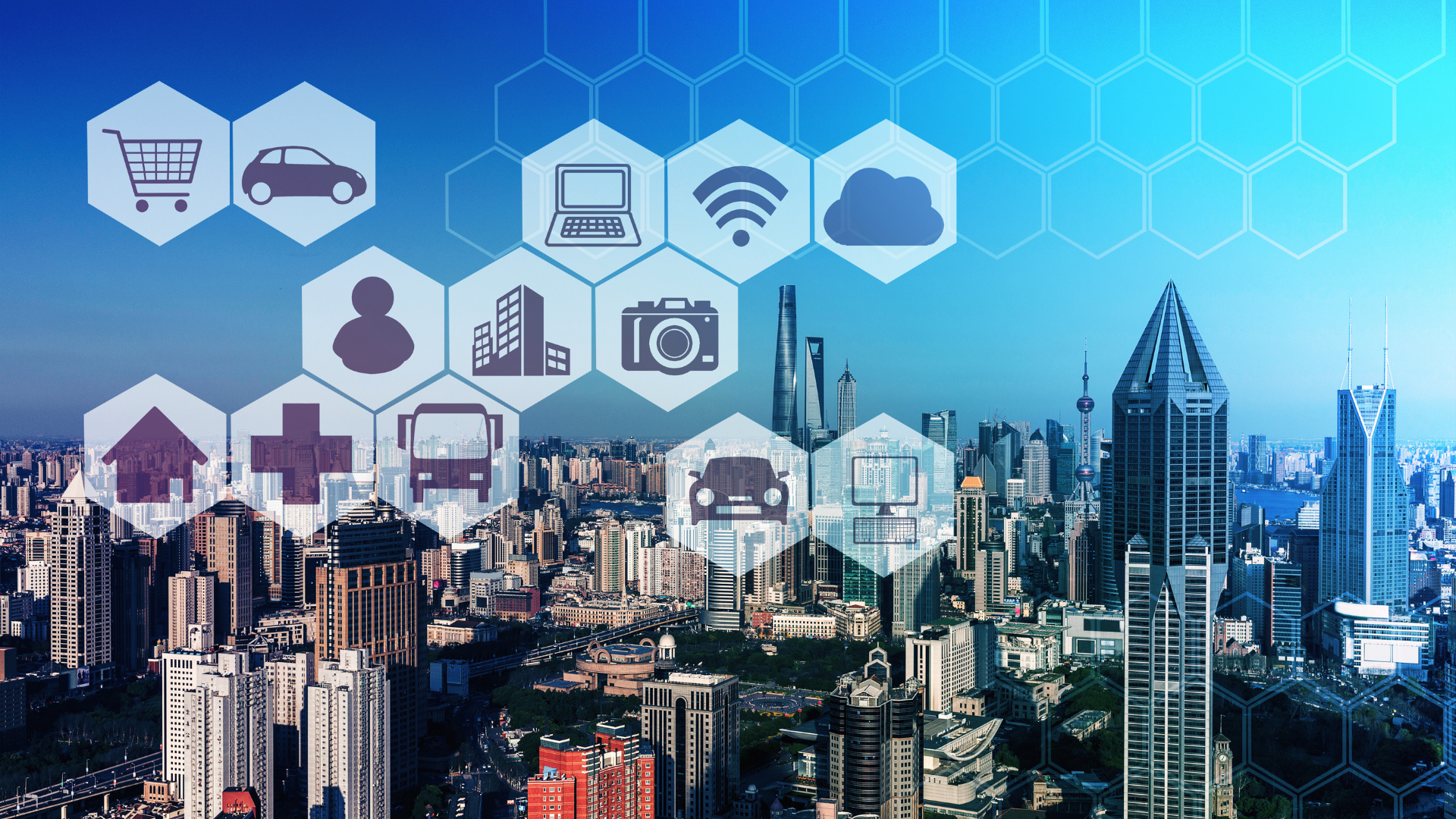
Overpopulation in urban areas is a growing challenge as rapid urbanisation drives more people into cities. This influx strains housing, transport, and infrastructure, making overcrowding a pressing issue for many metropolitan regions.
Technology offers tools to optimise space, improve transport systems, and enhance resource management. While technology alone cannot fully solve urban overcrowding, it plays a crucial role in mitigating its impacts and supporting sustainable urban growth.
From smart city planning to data-driven services, innovations are reshaping how cities manage density. Exploring the practical ways technology addresses overcrowding reveals both its potential and its limits in tackling this complex problem.
The Root Causes and Impacts of Urban Overcrowding
Urban overcrowding results from several interconnected factors, each affecting cities differently. These causes manifest in strains on resources, the environment, and social structures within metropolitan areas.
Population Growth and Migration Trends
Rapid population growth plays a major role in urban overcrowding. Many metropolises face increasing numbers of urban residents due to natural birth rates and rural-to-urban migration.
Economic opportunities and better public services attract migrants, often outpacing the capacity of urban infrastructure. Some cities grow by millions every decade, placing unsustainable pressure on housing and transport.
This influx sometimes leads to informal settlements or slums where basic amenities are inadequate. The mismatch between population growth and urban planning contributes directly to overcrowded living conditions.
Resource Strain in Densely Populated Cities
Urban overcrowding intensifies demand for water, energy, and sanitation. As populations soar, existing infrastructure struggles to provide consistent, quality services.
For example, water shortages and power outages are common in heavily populated urban areas with ageing systems. Waste management also becomes difficult, resulting in increased urban pollution and health risks.
Public transport becomes overcrowded, reducing efficiency and worsening traffic congestion. The strain on resources often exacerbates inequality, with low-income residents experiencing the harshest effects.
Environmental and Social Challenges
Overcrowded urban landscapes generate significant environmental challenges, including pollution and habitat loss. High concentrations of vehicles and industries increase air and noise pollution.
Green spaces shrink as cities expand, reducing residents’ access to clean air and recreational areas. This degradation harms public health and urban biodiversity.
Social challenges emerge alongside environmental problems. Overcrowding can increase crime rates, reduce social cohesion, and impede access to education and healthcare, particularly in under-resourced districts.
Technological Innovations Addressing Urban Overcrowding
Technology enhances urban living by improving infrastructure, optimising resources, and reshaping transport and housing. These innovations integrate data, automation, and sustainability to meet growing demands without expanding city footprints.
Smart City Infrastructure and IoT
Smart city infrastructure uses interconnected sensors and IoT devices to monitor and manage urban spaces in real time. This connectivity enables dynamic control of lighting, waste, water, and energy systems, reducing inefficiencies and lowering congestion.
For example, smart grids balance energy supply with demand, preventing outages and cutting emissions. IoT sensors track air quality and traffic flow, providing data for better urban planning. Cities adopting these systems improve resource use and responsiveness to residents’ needs while easing pressure on crowded areas.
AI and Data Analytics for Urban Management
Artificial intelligence and advanced analytics processes vast data from sensors, cameras, and citizen reports. This information supports decision-making in public services, traffic control, and emergency response.
AI models predict peak congestion times and suggest traffic reroutes in real time. Analytics forecast population trends, helping authorities plan infrastructure upgrades efficiently. By automating routine tasks, AI also frees human resources to focus on strategic urban issues. These tools are essential for adapting cities to rapid population growth.
Sustainable Housing Solutions
Technology drives innovation in sustainable housing through modular construction, energy-efficient materials, and smart home systems. Prefabricated modules reduce build time and costs, allowing rapid expansion without urban sprawl.
Smart homes integrate automation for lighting, heating, and water use, cutting energy consumption. Some developments include green roofs and solar panels, promoting environmental sustainability. These solutions help accommodate more residents in limited spaces with minimal ecological impact.
Modern urban apartments rely on these integrated systems to maximize utility in smaller footprints. Homeowners often install centralized controls that manage everything from motorized window shades to multi-zone audio systems. These setups reduce energy waste by automatically adjusting to daily routines and natural light levels. For residents in dense cities like New York, local installation experts help set up these systems. Companies like https://experttechusa.com/ design custom setups that fit the unique layout of metropolitan apartments. This technology makes compact living spaces feel larger and more comfortable.
Advanced Mobility and Public Transport Systems
Enhanced mobility solutions tackle crowding by improving public transport efficiency and accessibility. Autonomous vehicles, app-based ride-sharing, and real-time transit updates streamline commuting and reduce private car usage.
Mass transit systems incorporate AI for scheduling and maintenance, increasing reliability. Infrastructure investments in bike lanes and pedestrian zones encourage alternatives to driving. Collectively, these innovations lower congestion and emissions while supporting the diverse travel needs of dense urban populations.
Urban Construction and Infrastructure Efficiency
Efficient construction and maintenance are essential to support growing urban populations. Compact machinery with Digger Tracks allows crews to navigate crowded streets and restricted sites safely, reducing disruption to pedestrians and traffic. These tracked vehicles improve stability on uneven terrain, speed up excavation for foundations and utilities, and minimize damage to surrounding infrastructure.
Similarly, as construction activities continue across these constrained environments, efficiently managing the movement of materials becomes just as critical. In this context, conveyor systems from reputable providers like Stout Conveyors help streamline on-site operations by enabling the continuous transfer of materials, reducing manual handling, and keeping projects on schedule.
Large-scale urban projects often require heavy-duty machinery that goes beyond standard excavators. Cranes and heavy lifting equipment are necessary to move materials to high elevations or place heavy structural components in tight city spaces. Because this machinery represents a significant capital investment, many construction firms look for tailored lending options to manage their budgets.
Accessing dedicated funding through sources like https://www.harryfry.com helps companies acquire the specific cranes they need so they do not drain their cash reserves. This financial support allows projects to move forward even when equipment costs are high. Having the right tools on site is just as important as the planning phase for any city development.
Ultimately, by integrating modern construction equipment like these into urban projects, cities can complete essential upgrades faster, maintain public spaces, and support sustainable development without further exacerbating overcrowding.
Sustainability and Environmental Solutions
Addressing urban overcrowding requires a focus on reducing resource strain through improved systems for energy, water, and waste. It also demands protecting natural spaces to maintain environmental balance as cities grow.
Efficient Energy Consumption and Renewable Integration
Cities consume substantial energy, contributing heavily to pollution. Technologies like smart grids and energy-efficient buildings help optimise electricity use and reduce waste. Integrating renewable energy sources such as solar panels and wind turbines decreases reliance on fossil fuels.
Building designs that incorporate passive heating, cooling, and LED lighting further lower energy consumption. Urban planners increasingly rely on data analytics to monitor and adjust energy use in real time, enabling smarter allocation and reduced environmental impact.
Key strategies include:
- Installation of rooftop solar arrays
- Use of smart meters for demand response
- Promotion of green building certifications
Water and Waste Management Optimisation
Urban overcrowding intensifies water demand and waste production, straining infrastructure. Advanced water management systems reuse greywater and harvest rainwater to reduce freshwater consumption. Smart sensors track water leaks promptly, preventing unnecessary loss.
Waste management benefits from digital tracking and sorting systems. Cities convert organic waste to energy through anaerobic digestion, limiting landfill dependence. Recycling programmes leverage AI to improve sorting accuracy and boost material recovery rates.
Important methods involve:
- Rainwater harvesting and greywater recycling
- Sensor-based leak detection
- Waste-to-energy conversion technologies
Preserving Green Spaces in Urban Development
Maintaining green spaces within growing cities supports air quality and biodiversity. Technology aids in spatial analysis to identify areas for parks, urban forests, and green roofs. These spaces mitigate urban heat island effects and enhance mental well-being.
Sustainable urban planning incorporates green corridors to connect habitat areas, helping wildlife adapt to urban spread. Further, green spaces serve as natural water filtration zones, reducing flood risks and improving stormwater management.
Approaches include:
- Integration of rooftop and vertical gardens
- Use of GIS for green space mapping
- Designing parks as multifunctional environmental buffers
Governance, Collaboration, and Future Strategies
Effective urban management depends on coordinated actions involving multiple sectors and clear governance frameworks. Technology alone cannot address overcrowding without strong partnerships, innovation, and respect for citizen rights.
Public-Private Partnerships in Urban Solutions
Public-private partnerships (PPPs) combine government oversight with private sector efficiency to develop urban infrastructure. PPPs often drive projects like smart transport systems, digital utilities, and affordable housing solutions, leveraging technology investments and risk-sharing.
Governments establish contracts ensuring regulatory compliance, while private companies provide technical expertise and funding. This collaboration accelerates innovation and infrastructure delivery.
To succeed, PPPs require transparent terms, measurable goals, and accountability mechanisms. Cities such as Singapore and Barcelona demonstrate how PPPs help implement advanced technology for real-time urban management and resource optimisation.
Role of Municipalities and Governance Frameworks
Municipalities act as the primary coordinators in managing urban overcrowding through policies and regulations. They create governance frameworks that enable technology integration while balancing development with environmental and social needs.
Effective frameworks include zoning laws, building codes, and data-sharing regulations adapted to new technologies like IoT and AI. Local governments must ensure sustainable urban density without compromising quality of life or access to services.
Transparent governance encourages citizen participation and builds trust, essential for technology adoption in public spaces. Municipalities must also coordinate with regional and national bodies to align strategies and secure funding.
Collaboration and Innovation for Sustainable Cities
Collaboration among academic institutions, tech firms, urban planners, and governments fosters innovative solutions to urban overcrowding. Multidisciplinary teams develop tools for mobility, energy management, and waste reduction.
Innovation focuses on scalable, adaptive technologies—such as sensor networks and predictive analytics—that enhance city resilience. Pilot programmes and urban labs test new approaches before wider deployment.
Collaboration platforms facilitate knowledge exchange and joint problem-solving, ensuring that technology solutions address actual urban challenges. Cities adopting this model show improved resource allocation and citizen satisfaction.
Data Privacy and Citizen Rights
Protecting data privacy is fundamental as urban technologies collect vast amounts of personal information. Strong data governance policies must regulate data usage, storage, and sharing to prevent misuse.
Citizens require clear information on what data is collected and must have control over their information. Regulations like GDPR guide municipalities in implementing privacy-by-design principles when deploying smart technologies.
Balancing innovation with privacy safeguards builds public trust, essential for participation in smart city initiatives. Without it, technological solutions risk resistance and ineffective implementation.
Leave a Reply