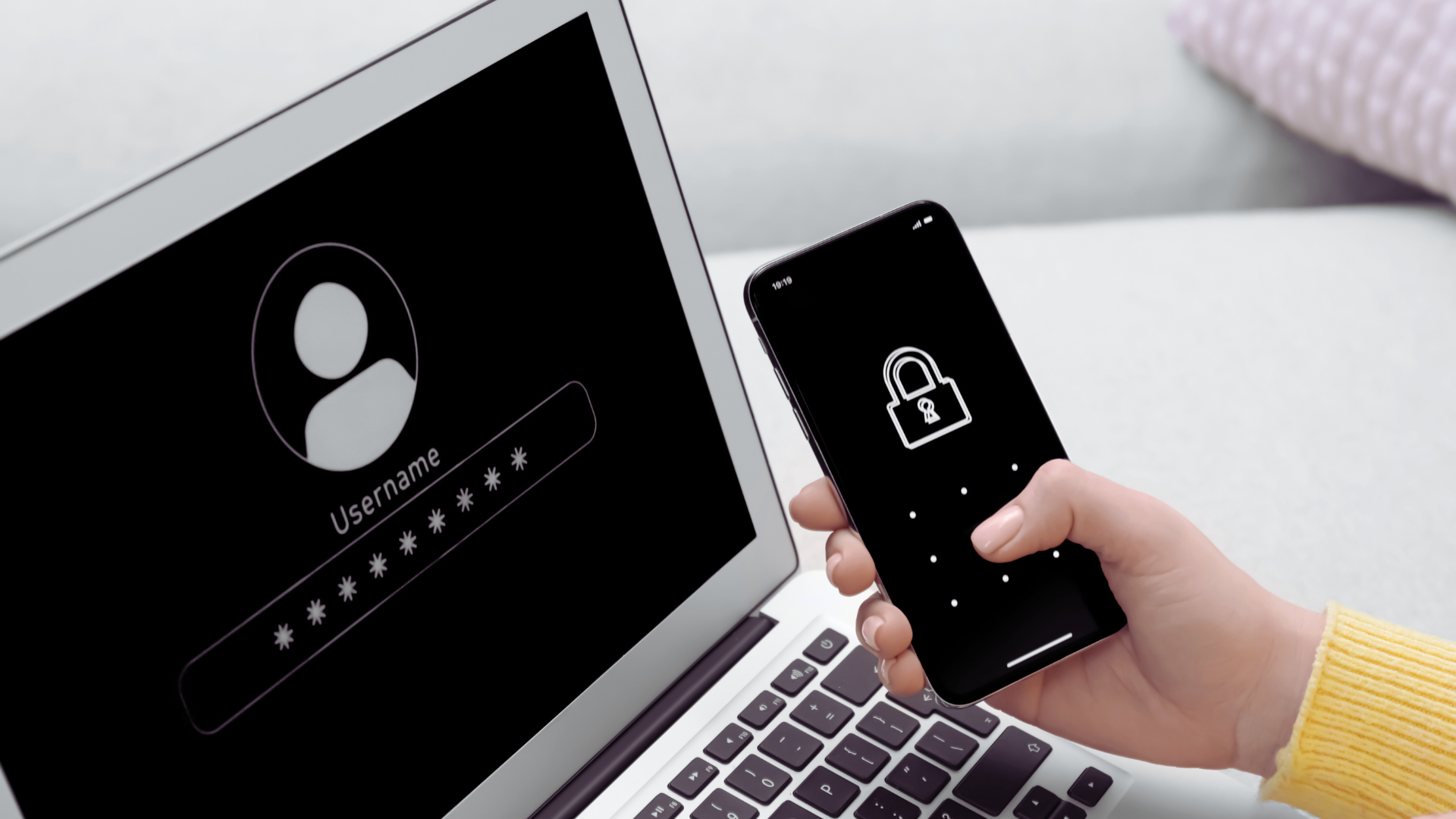
In an increasingly digital world, maintaining online privacy is becoming more challenging. With cyber threats on the rise, individuals must adopt effective strategies to safeguard their personal information. A few key steps can significantly enhance one’s online security and privacy, including using strong passwords, enabling two-factor authentication, and being cautious about sharing personal information.
Understanding the tools available for privacy protection is crucial. Using Virtual Private Networks (VPNs) can encrypt internet traffic, making it difficult for unauthorised users to access sensitive data. Additionally, staying informed about privacy settings on social media and other online platforms helps users manage their information exposure more effectively.
Becoming proactive about online privacy not only offers peace of mind but also strengthens cybersecurity. Implementing these strategies equips individuals with better control over their digital footprint, ultimately fostering a more secure online experience.
Understanding Online Privacy Risks
Online privacy risks manifest in various ways, posing significant threats to individuals and organisations. Being aware of these risks allows for more effective protective measures.
Prevalence of Identity Theft
Identity theft occurs when someone unlawfully obtains and uses another person’s personal information. This may involve stealing financial data, such as credit card numbers or Social Security numbers. According to recent studies, millions of people fall victim to identity theft each year.
To mitigate this risk, individuals should regularly monitor their financial statements and consider credit monitoring services. Enabling two-factor authentication on online accounts also adds another layer of security. Complaints about data breaches are rampant, underscoring the need for constant vigilance in protecting personal information.
Dangers of Phishing Attacks
Phishing attacks involve deceptive communication aimed at tricking individuals into revealing sensitive information. Common methods include fraudulent emails that appear to be from legitimate sources, asking for password updates or credit card details.
Indicators of phishing include poor grammar, generic greetings, and suspicious links. Users should verify the sender’s address and be cautious about clicking on links or downloading attachments from unknown sources. Staying informed about the latest phishing tactics can significantly reduce the risk of falling prey to these scams.
Impact of Sharing Personal Information
Sharing personal information online can have serious consequences. Many social media platforms encourage users to disclose details that can be exploited. Information such as birth dates, locations, and interests can aid identity thieves or stalkers.
It is crucial for individuals to adjust privacy settings on their accounts. Sharing minimal personal information and being selective about who has access can help safeguard against potential threats. Understanding the implications of disclosing personal details is vital for maintaining online security.
Implementing Protective Measures
Establishing protective measures is crucial for maintaining online privacy. Strong passwords, two-factor authentication, and antivirus software are foundational elements, complemented by the use of encrypted messaging. Each strategy plays a specific role in safeguarding personal information.
The Importance of Strong Passwords
Creating strong passwords is essential for protecting online accounts. A strong password should be at least 12 characters long and include a mix of uppercase and lowercase letters, numbers, and special symbols. Avoid easily guessable information like birthdays or names.
To enhance security, individuals should consider using a password manager. This tool securely stores and generates complex passwords, reducing the temptation to reuse passwords across multiple sites. Regularly updating passwords further strengthens online security and can deter attackers.
Benefits of Two-Factor Authentication
Two-factor authentication (2FA) provides an additional security layer by requiring two forms of verification before granting access. This typically involves something the user knows, like a password, and something they have, like a mobile device.
Implementing 2FA significantly reduces the risk of unauthorised access. Even if a password is compromised, a second factor is still needed for entry. Many platforms offer 2FA options, often through SMS codes or authentication apps, making it a straightforward yet effective strategy.
Utilising Antivirus Software
Antivirus software is vital for detecting and removing malware that could compromise privacy. Regular updates ensure that the software can combat the latest threats effectively. It scans files, email attachments, and downloads, providing real-time protection against vulnerabilities.
Users should choose reputable antivirus solutions that offer comprehensive features, including firewalls and phishing protection. Scheduled scans can help catch potential threats before they cause harm. Implementing antivirus software contributes significantly to the overall security landscape.
Opting for Encrypted Messaging
Encrypted messaging applications protect conversations from eavesdroppers by encrypting messages. End-to-end encryption ensures that only the sender and recipient can read the messages. Popular options include Signal and WhatsApp, which prioritise user privacy.
Using encrypted messaging mitigates the risk of data breaches and interception. It is particularly important when discussing sensitive topics or sharing personal information. Encouraging contacts to opt for encrypted platforms enhances collective privacy for all parties involved.
Securing Digital Communications
Protecting digital communications is essential for maintaining privacy online. Implementing strategies like end-to-end encryption and adjusting privacy settings on social media can significantly enhance security.
Understanding End-to-End Encryption
End-to-end encryption (E2EE) ensures that only the communicating users can read the content of their messages. This process encrypts data on the sender’s device and only decrypts it on the recipient’s device, preventing unauthorised access during transmission.
Key points include:
- Encryption Methods: Various protocols are employed, such as Signal Protocol, which is widely trusted for its security.
- Apps Supporting E2EE: Popular applications like WhatsApp, Signal, and Telegram utilise E2EE, making it essential for users to choose these platforms for secure communication.
- Limitations: While E2EE provides robust privacy, it does not protect metadata, which can reveal communication patterns and interactions.
Privacy Settings on Social Media
Social media platforms often collect extensive user data. Adjusting privacy settings can help control the amount of personal information shared.
Important considerations include:
- Profile Visibility: Users should customise their profile settings to limit who can view posts and personal information. Keeping profiles private reduces exposure to potential data breaches.
- Data Sharing Options: Users must be vigilant about app permissions and third-party access to their data. Regularly reviewing and updating permissions can prevent unwanted data sharing.
- Content Control: Platforms like Facebook and Instagram offer options to manage what is visible to others, allowing users to curate their online presence.
Enhancing Browser Security
Strengthening browser security is crucial for safeguarding online privacy. Two key strategies include selecting effective privacy tools and employing ad blockers to prevent intrusive advertising and tracking.
Choosing the Right Privacy Tools
Selecting suitable privacy tools is essential for enhancing browser security. A password manager can securely store and generate complex passwords, reducing the risk of credential theft by cybercriminals. This tool often encrypts data, allowing users to access accounts safely.
Browsers also offer built-in privacy features. For instance, users can enable private browsing modes that don’t retain history or cookies. Extensions like HTTPS Everywhere force secure connections, while VPNs can anonymise browsing by masking IP addresses. Each tool addresses different aspects of privacy and security, providing multiple layers to protect user data.
Advantages of Using An Ad Blocker
Ad blockers significantly contribute to browser security by blocking unwanted ads and trackers. These tools prevent the loading of scripts from unknown sources, reducing the risk of malware infections. Cybercriminals often exploit ads to infiltrate devices, making ad blockers a crucial line of defence.
Furthermore, ad blockers enhance browsing speed and reduce data consumption. By eliminating unnecessary content, users experience faster page loads and decreased bandwidth usage, particularly on mobile devices. This efficiency translates into a smoother online experience while maintaining high privacy standards.
Leave a Reply